
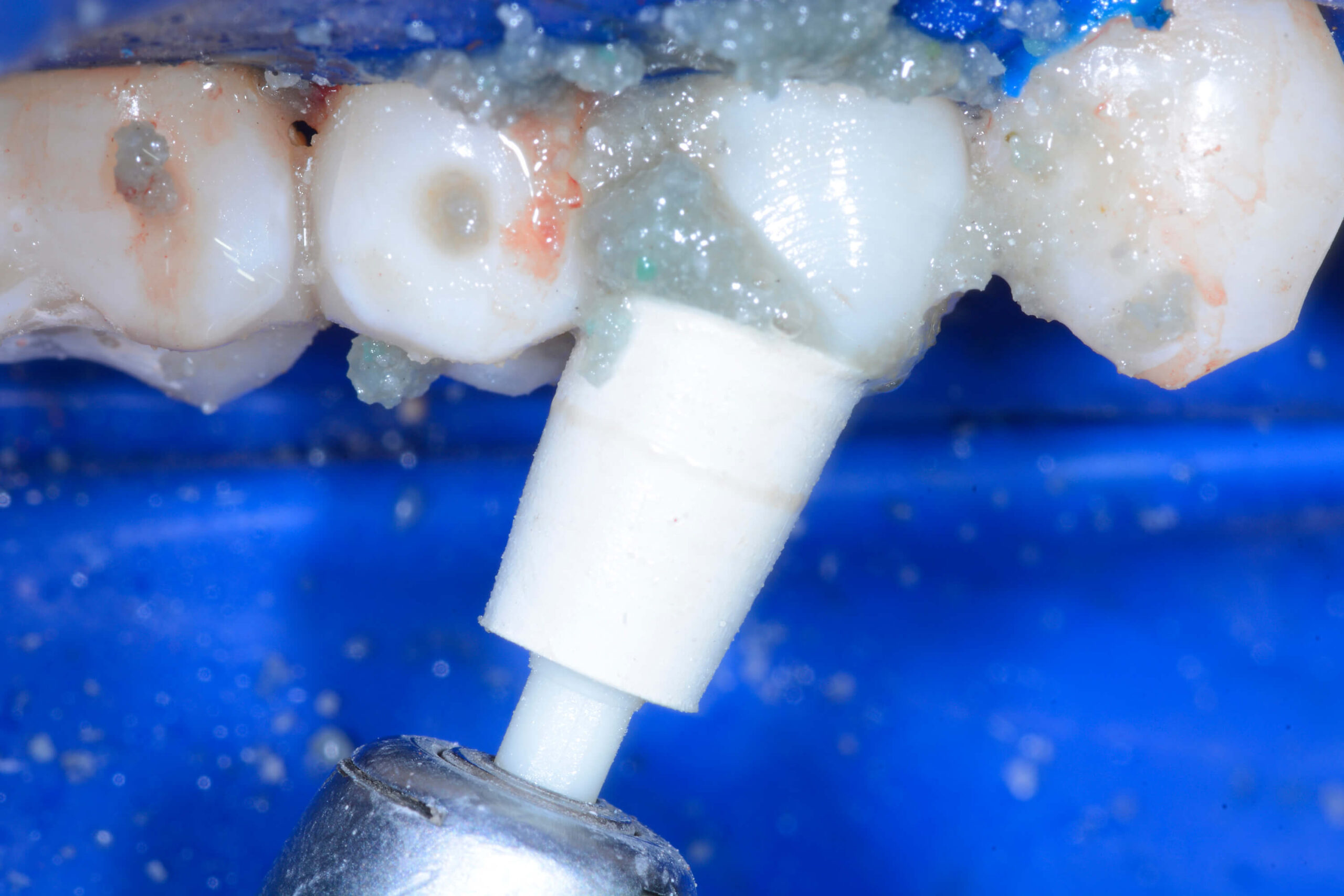
The first step of the Rock Star Polish, this dual abrasive pre-polish marginates to the infinity edge and creates the perfect matte finish before moving on to the second step of the Rock Star Polish – the RS Polisher.
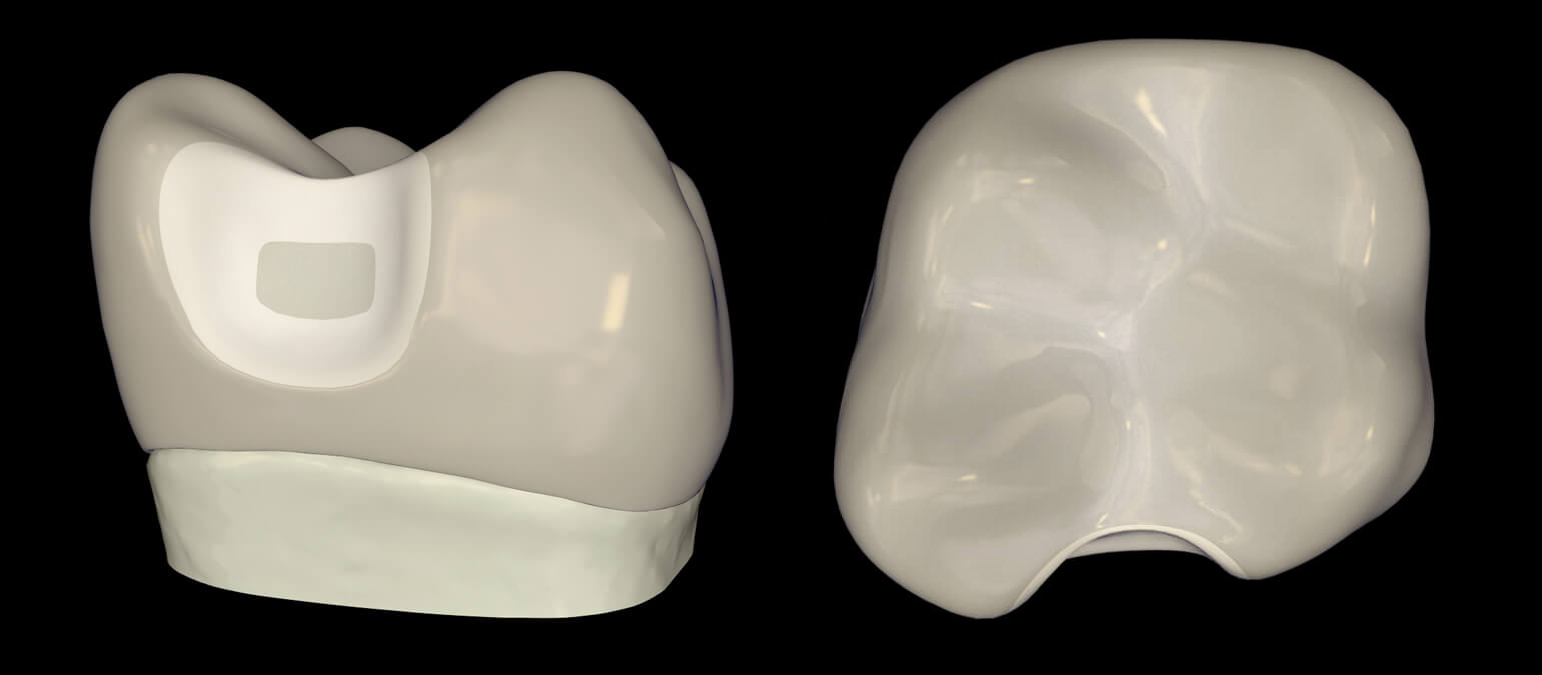
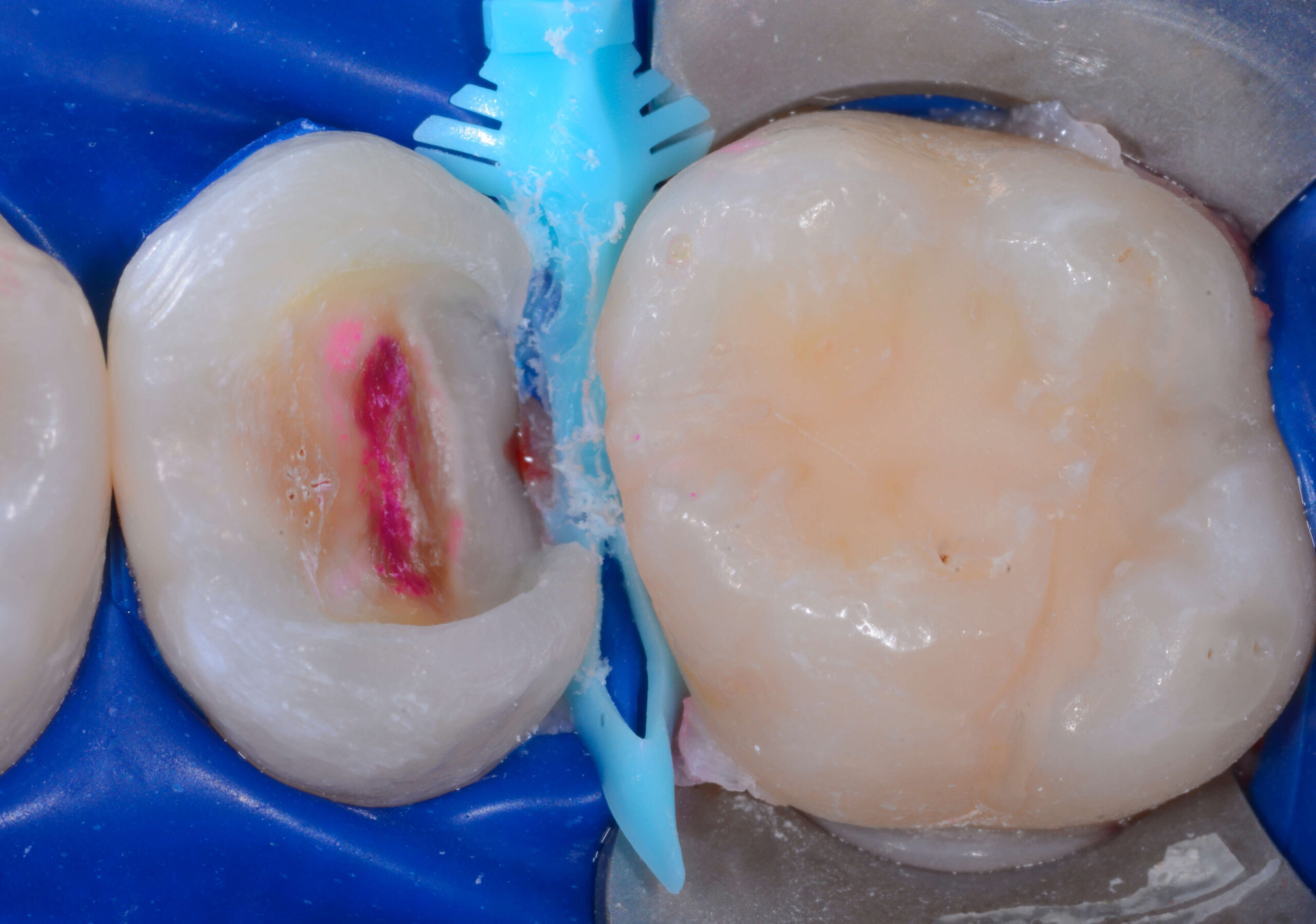
Learn about the more conservative modern class II preparation that is uniquely suited to the Bioclear Method.
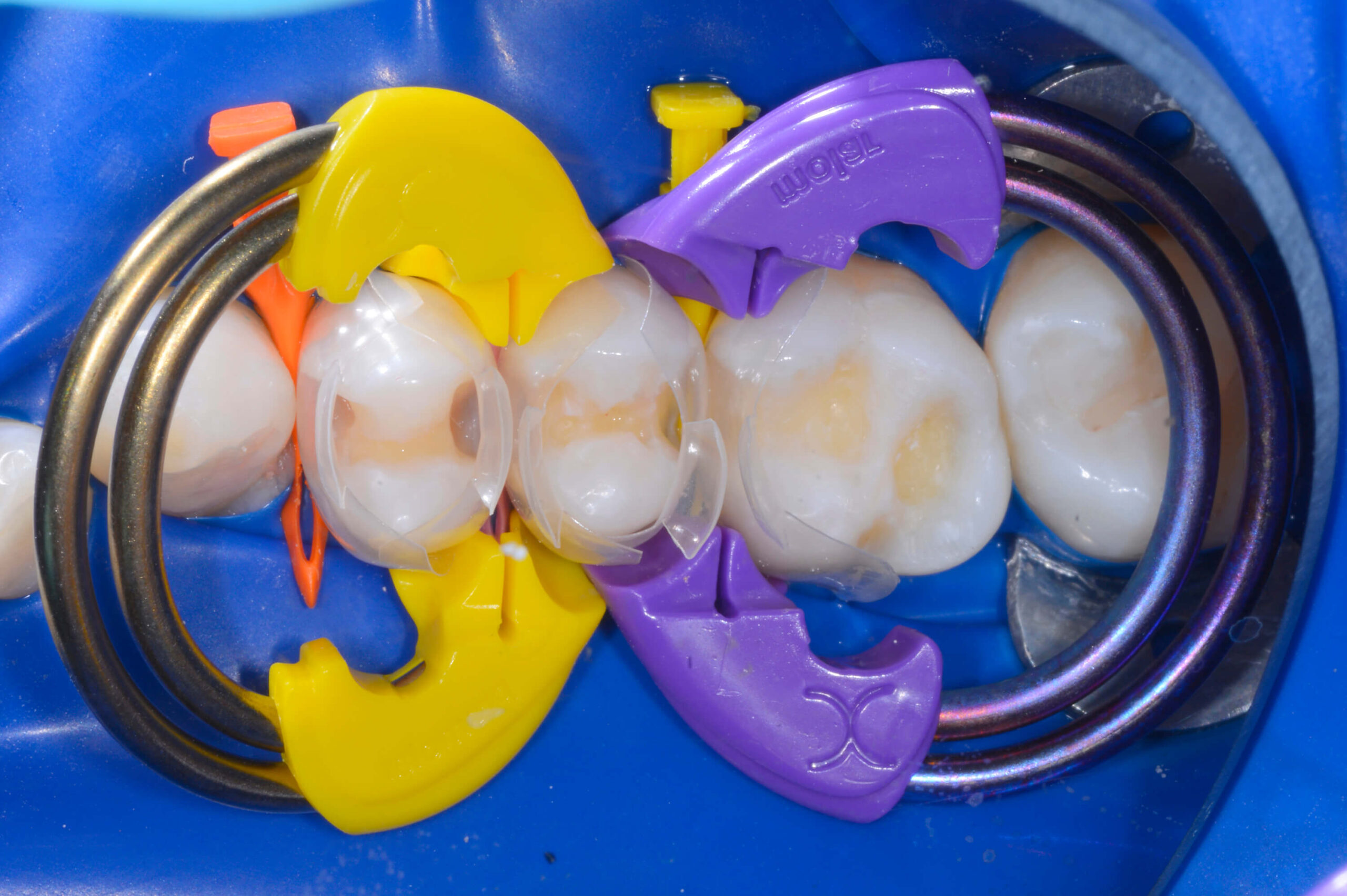
Follow along with Dr. Clark as he goes through the 5 steps to successfully complete a modern composite restoration using Bioclear’s new Biofit Posterior System.
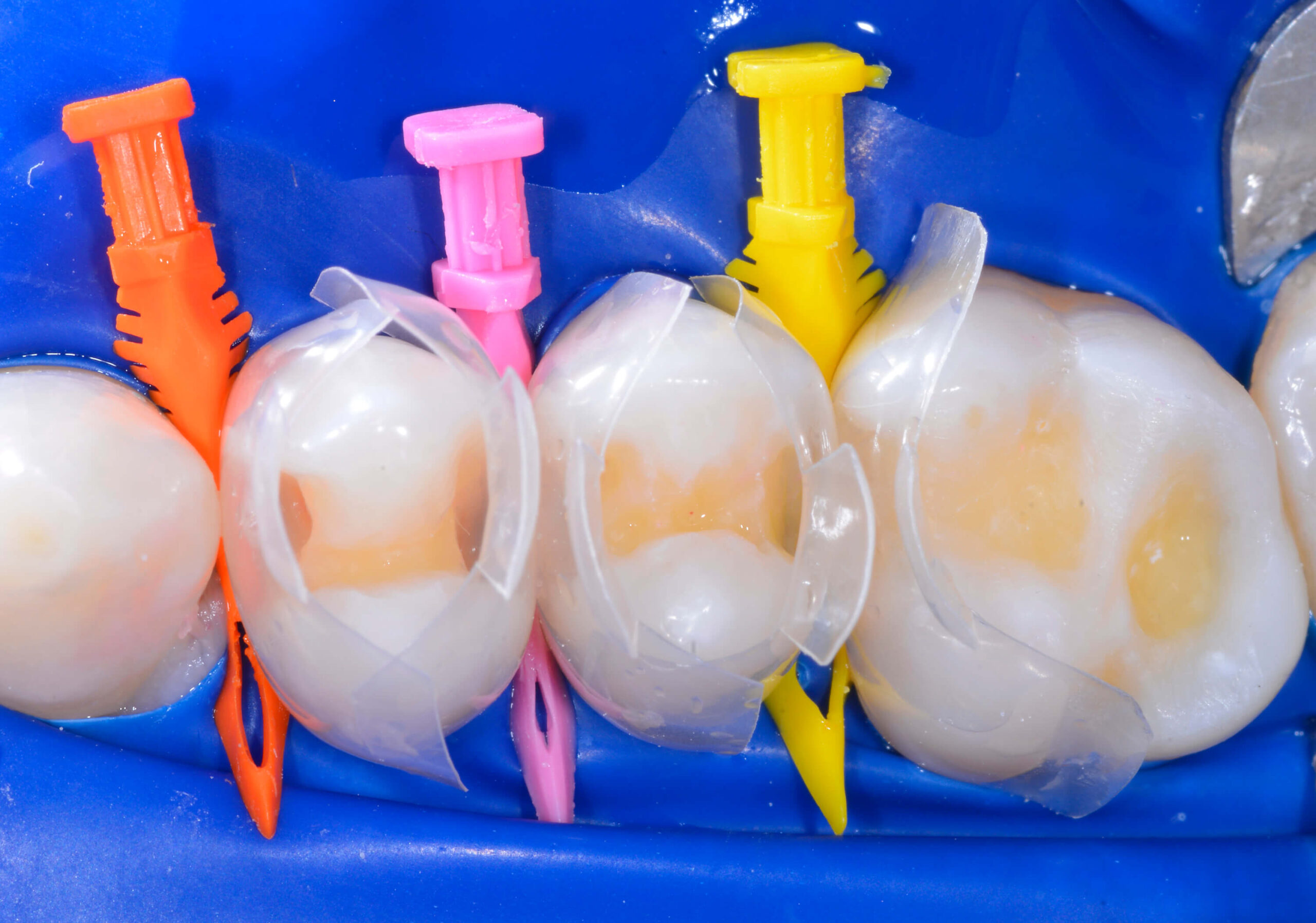
Injection Molding a Modern Class II – An Introduction to Bioclear’s Biofit HD Matrix, Diamond Wedge, and Twin Ring
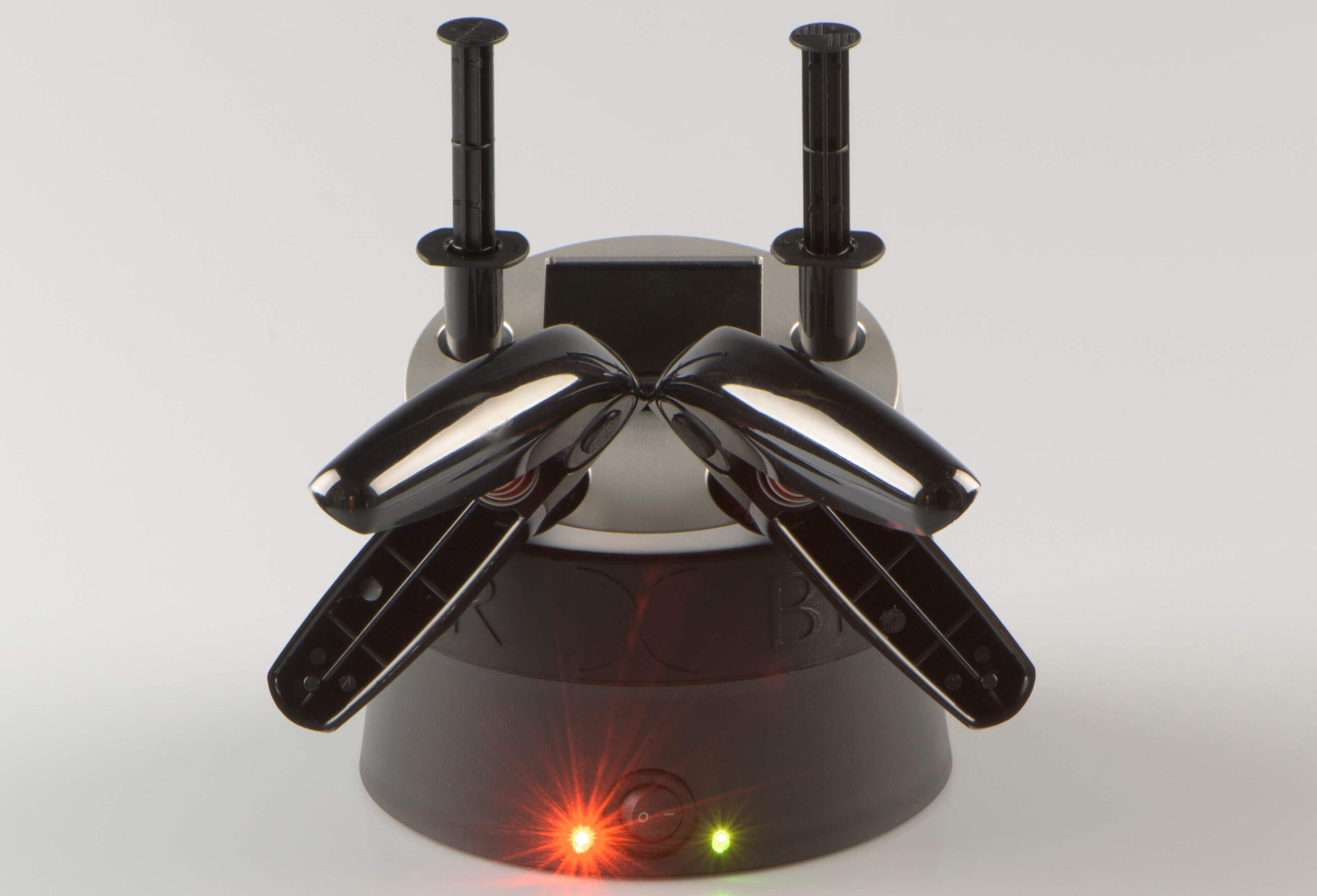
As composite gains a foothold as a preferred material for dental restorations, dentists must consider how to optimize its use. Current research indicates heating composite has many benefits.
The Injection Molding Procedure & Modern Cavity Prep: In Enamel We Trust

Case Study: Deep margin Acquisition, Selective Caries Removal, Cuspal overlay with Infinity Edge Tooth Restoration Interface (TRI)
In figures 8 through 18 the modern Clark Class II procedure is demonstrated. We are currently doing a retrospective study on these non-retentive cavity preparations and will show a very high survival rate.
[post-callout]
What about Bioactive materials? Are they the next big thing?
I was at the pet store the other day and spied the new doggie treats that are emblazoned with the “Bioactive” advantage on the packaging. Is this Bioactive thing a fad or is it the future? Well here is what we do know: Many of the failures of composite come from structural and design flaws of the prep and the filling method resulting in toth fracturing and poor contacts that lead to periodontal inflammation, food impaction, recurrent decay. To quote my partner Dr. Jihyon Kim at the Bioclear Learning Center, “A Class II restoration is treatment of disease specific to the contact area. Shouldn’t an ideal contact be job one?” And yet nearly all Class II restorations have less than ideal contacts. To make things worse, the contact is too far to the occlusal, leading to sharp marginal ridges that are prone to fracturing. The cavity prep taught in nearly every dental school minimizes enamel rod engagement and maximizes dentin tubule involvement. Many have wide open margins. These preps are designed for amalgam, and when filled with composite they are, essentially, engineered to fail. Can Bioactives placed in traditional manner bail out a cavity prep from 1890 with butt joints leading to open margins, high C-Factor, and stress risers leading to tooth fracturing? That would be nice. But let’s not hold our breath. For most preparations we can maximize enamel rod integration with infinity edge margins and create TRI’s that are incredibly robust. Bioactivity could be a nice bonus, some day. Maybe. But on Monday Morning I need something I know will work. Good engineering and modern methods are a surer bet.
References:
1) Does Incremental Filling Technique Reduce Polymerization Shrinkage Stresses?
Versluis A, et.al., J Dent Res March 1996; 75(3): 871-878
2) A radiographic and scanning electron microscopic study of approximal margins of Class II resin composite restorations placed in vivo. Opdam NJ, Roeters FJ, Feilzer AJ, Smale I.
J Dent. 1998 May;26(4):319-27.
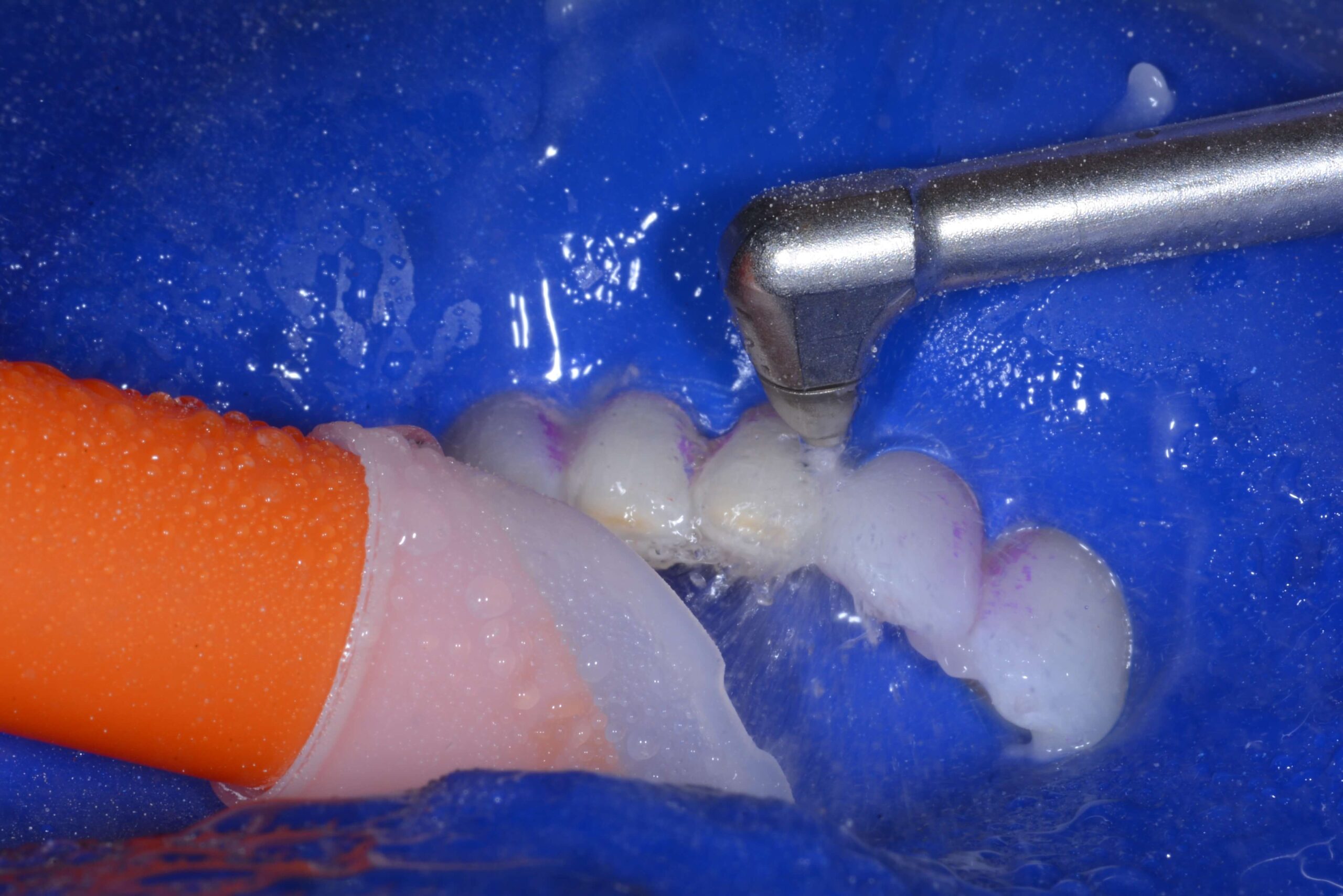
After disclosing solution is applied, the Bioclear Blaster thoroughly removes biofilm leaving the tooth ready for composite restorations.
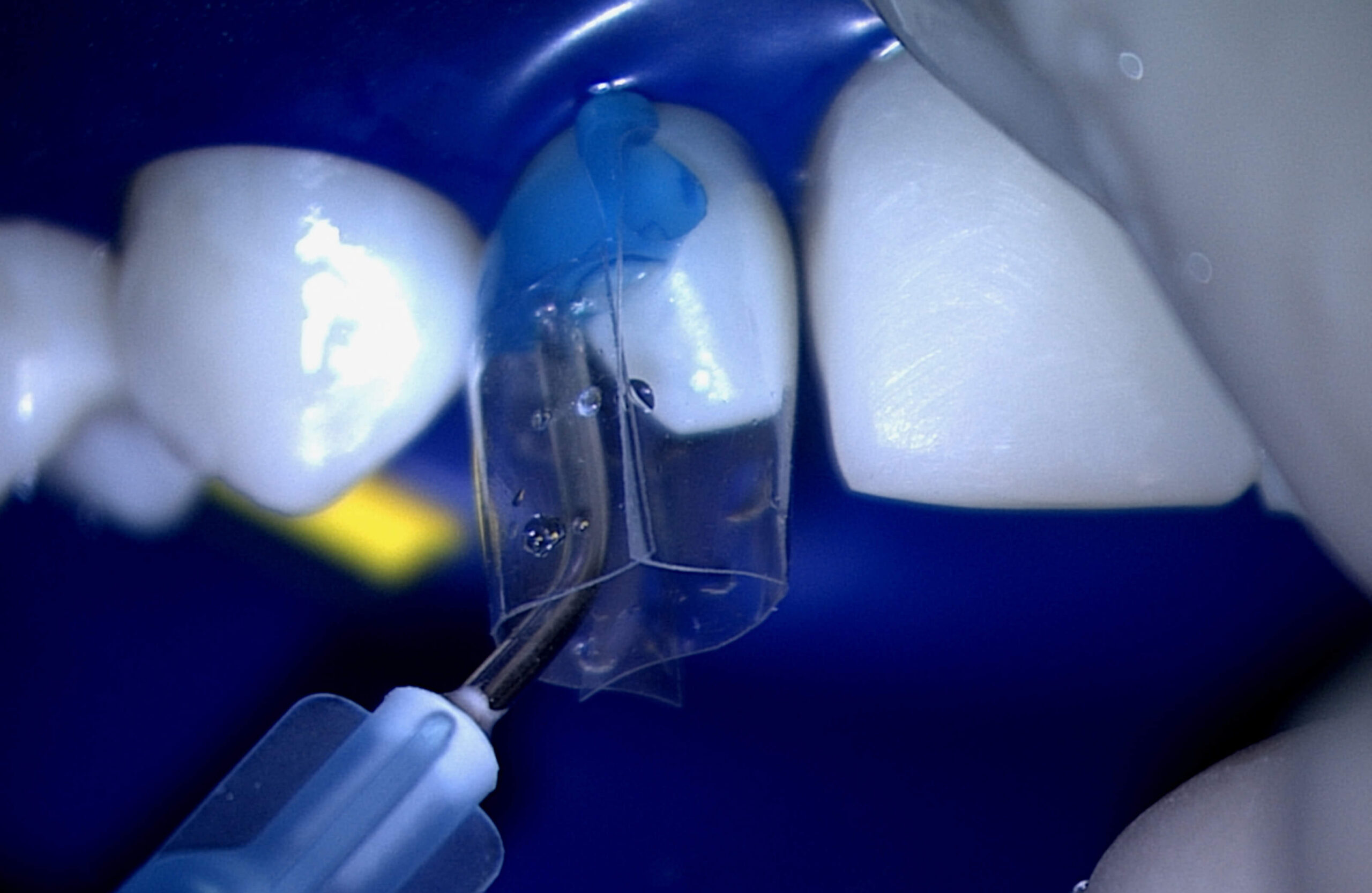
This video is in reference to the Dentistry Today article “Composite Over-molding for Aesthetics and Strength” in the August 2014 issue. This video series shows Dr. Clark using the Bioclear Matrix to build composite over-molding (sometimes referred to as composite veneers), on a teenage post orthodontic case.
Part 1 highlights:
The Original Anterior Matrices are used in this video (specifically the A-103).
This video is in reference to the Dentistry Today article “Composite Over-molding for Aesthetics and Strength” in the August 2014 issue. This video series shows Dr. Clark using the Bioclear Matrix to build composite over-molding (sometimes referred to as composite veneers), on a teenage post orthodontic case.
Part 2 highlights:
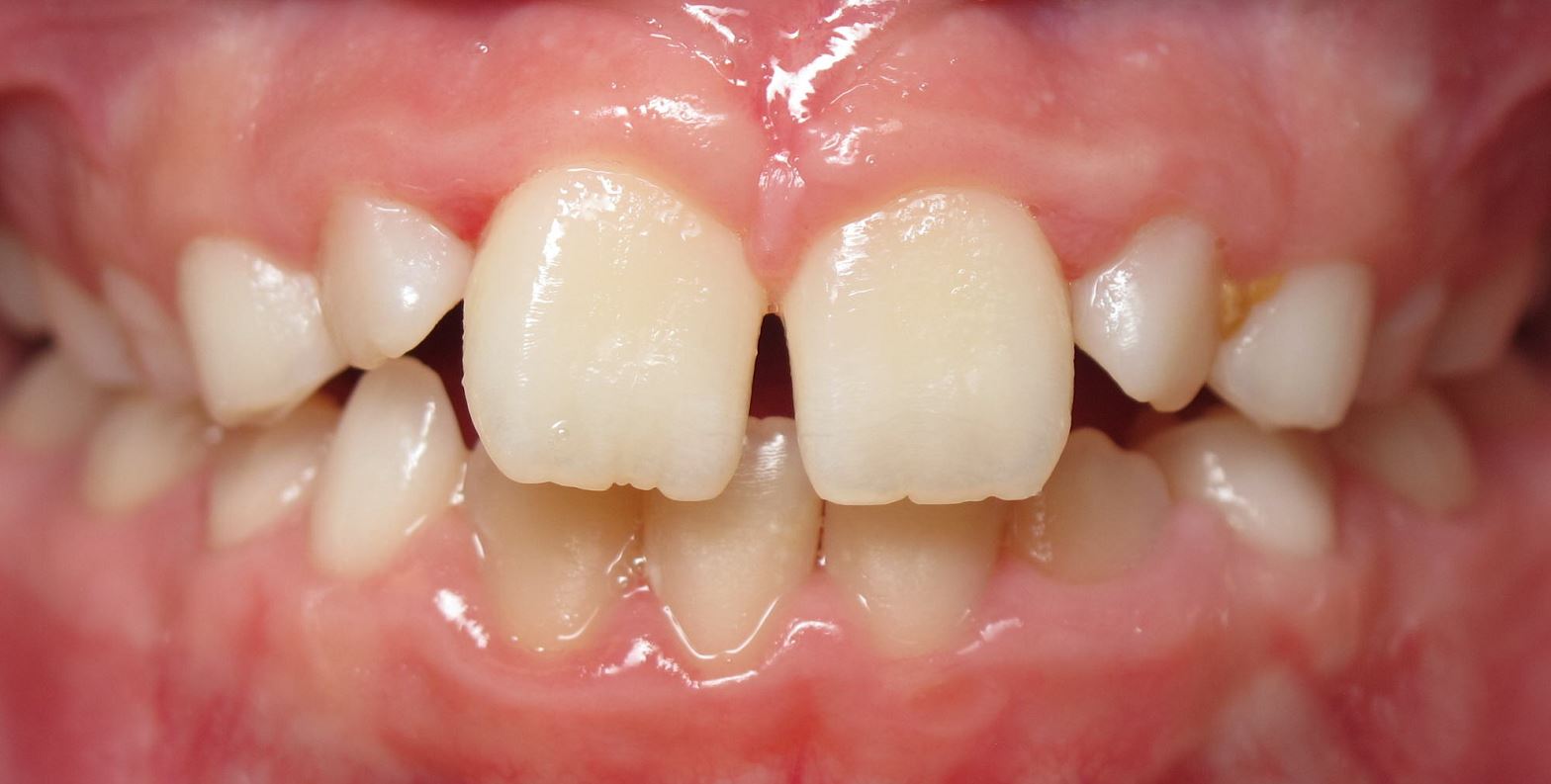
This video shows all the steps needed to close an open mid-line diastema, including the staged wedging technique.
Highlights: